IDProjectWhat it isFuture homeStatus
PL-00PocketJS
The UI runtime. Three frameworks, one Rust core, 13 hosts.
pocketjs.dev ↗
Shipping
PL-01Pocket Openworld
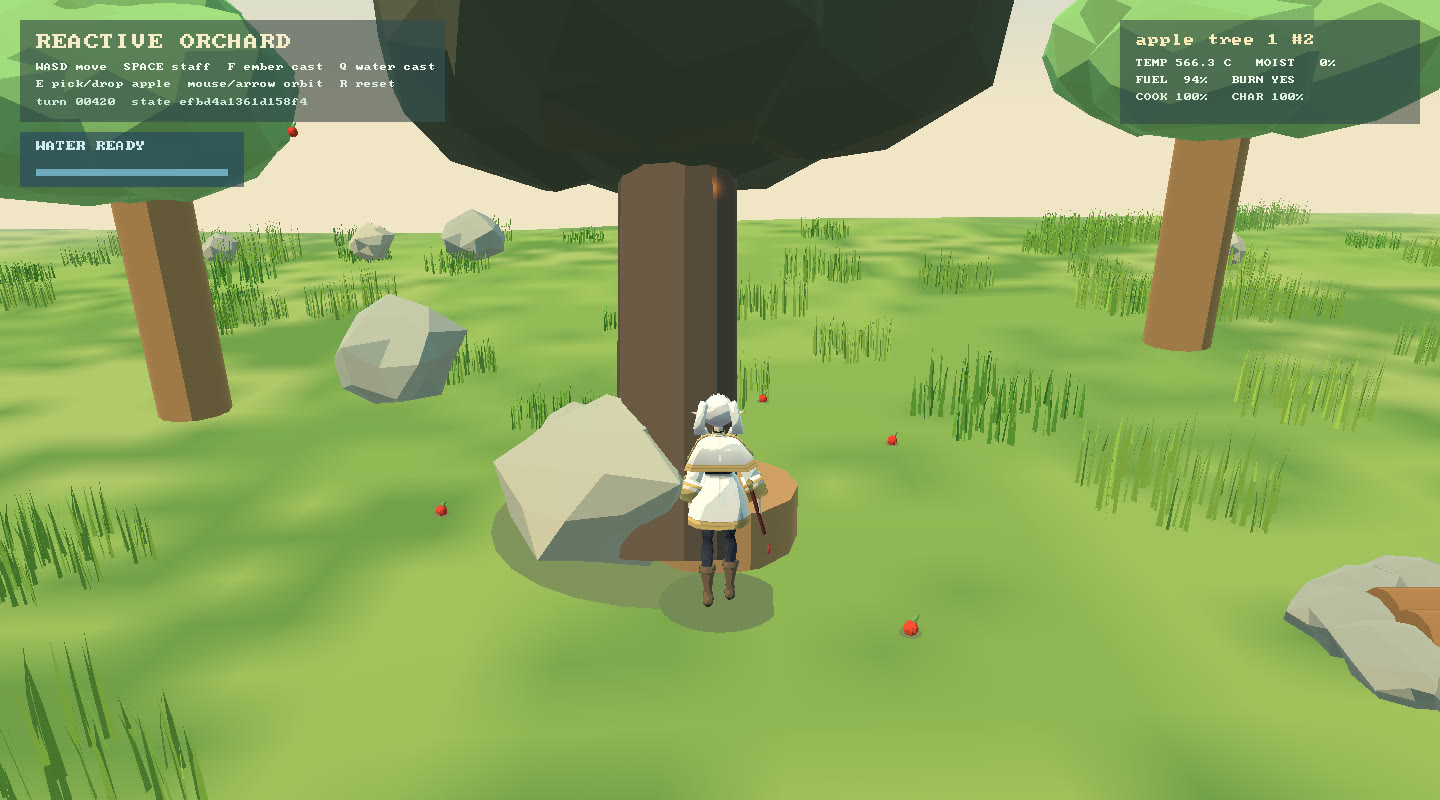
A systemic open-world engine. Deterministic bodies, heat, moisture, fuel, combustion. Fire spreads by rule, not script.
openworld.pocketlab.build
Incubating
PL-02Pocket Voxel
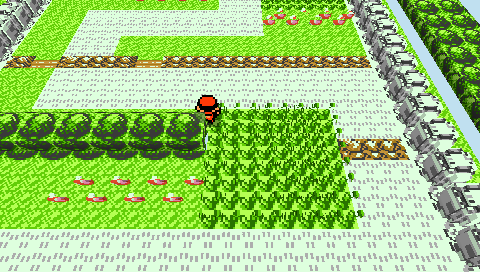
A creature-RPG world as a walking 3D diorama. Locked 30 fps on a 2004 PSP.
voxel.pocketlab.build
Research
PL-03Pocket Vapor
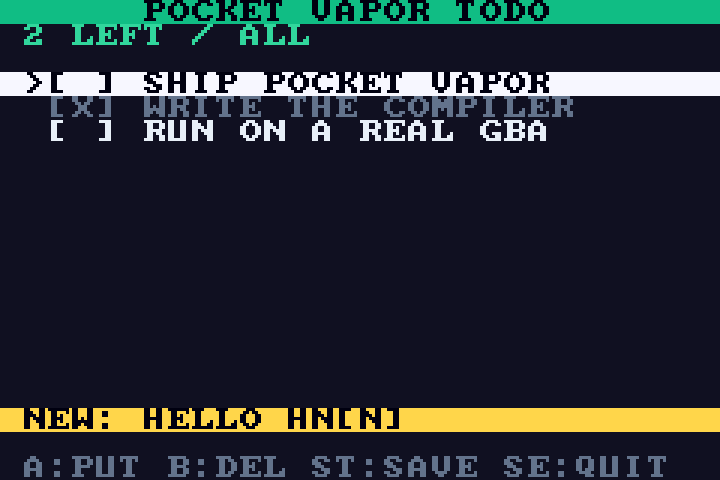
Vue compiled to cartridges: a 9.1 KB GBA ROM, a 32 KB Game Boy cart, a 40 KB NES cart. No JS engine on board.
vapor.pocketlab.build
Research
PL-04Pocket Character
A VRM digital human in one native process: 118 MB, 3.9% of a core. Electron needs 8 processes and 2184 MB.
character.pocketlab.build
Research
PL-05Pocket Figma
Real design files on impossible screens: a 14,430-node .fig at 60 fps on a PSP.
figma.pocketlab.build
Research
PL-06Pocket Pi
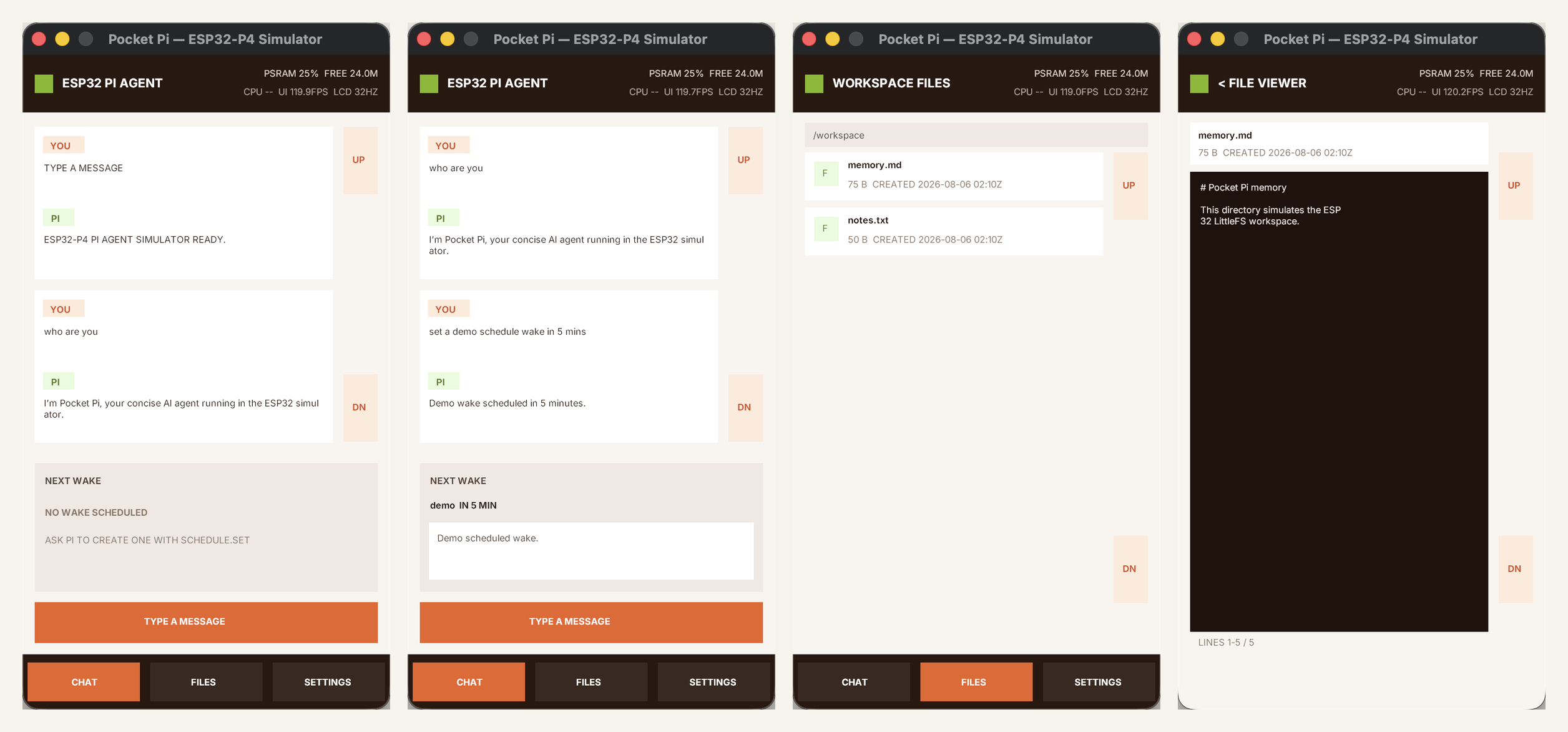
A coding agent living on a microcontroller: QuickJS in a 304 KB profile on the ESP32-P4.
pi.pocketlab.build
Research
PL-07Pocket Office
Documents as engines. Named, not yet built.
·
Whiteboard
PL-08Pocket Desktop
A shell where every window is a deterministic, replayable guest. Named, not yet built.
·
Whiteboard
PL-09Pocket Terminal
A terminal that treats the session tape as the document. Named, not yet built.
·
Whiteboard
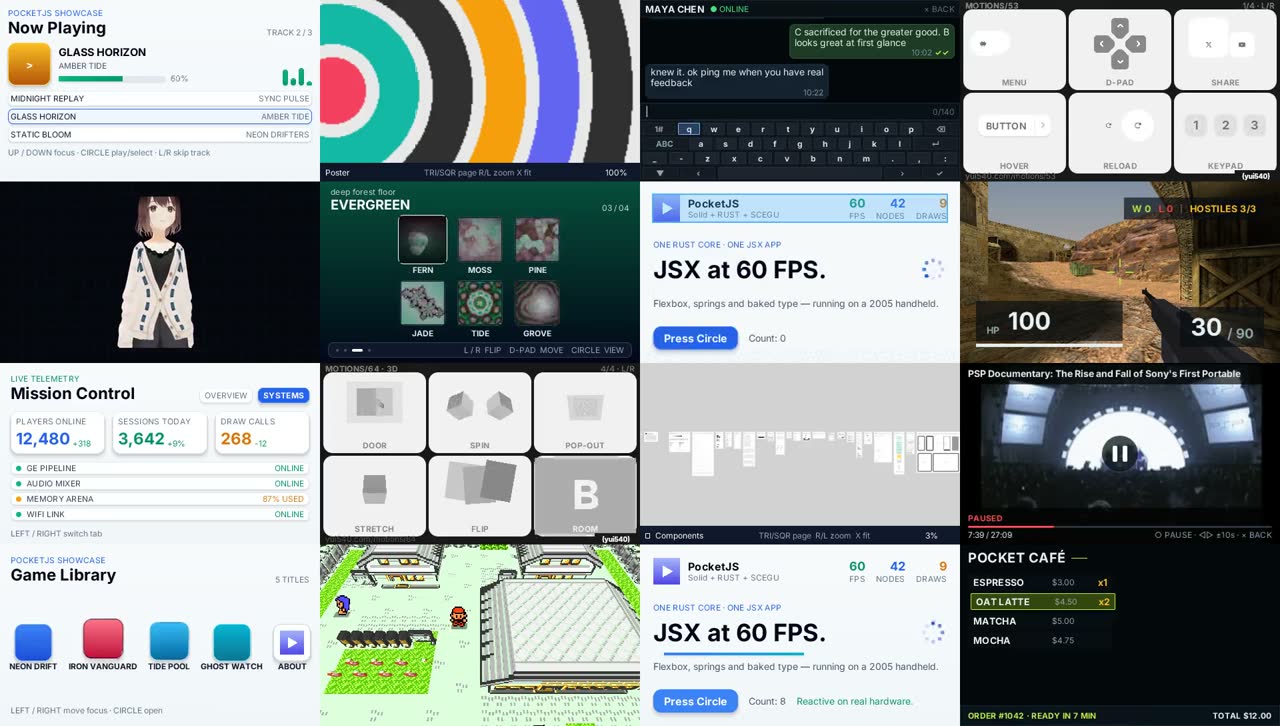 16 programs · 1 runtime · engine output only